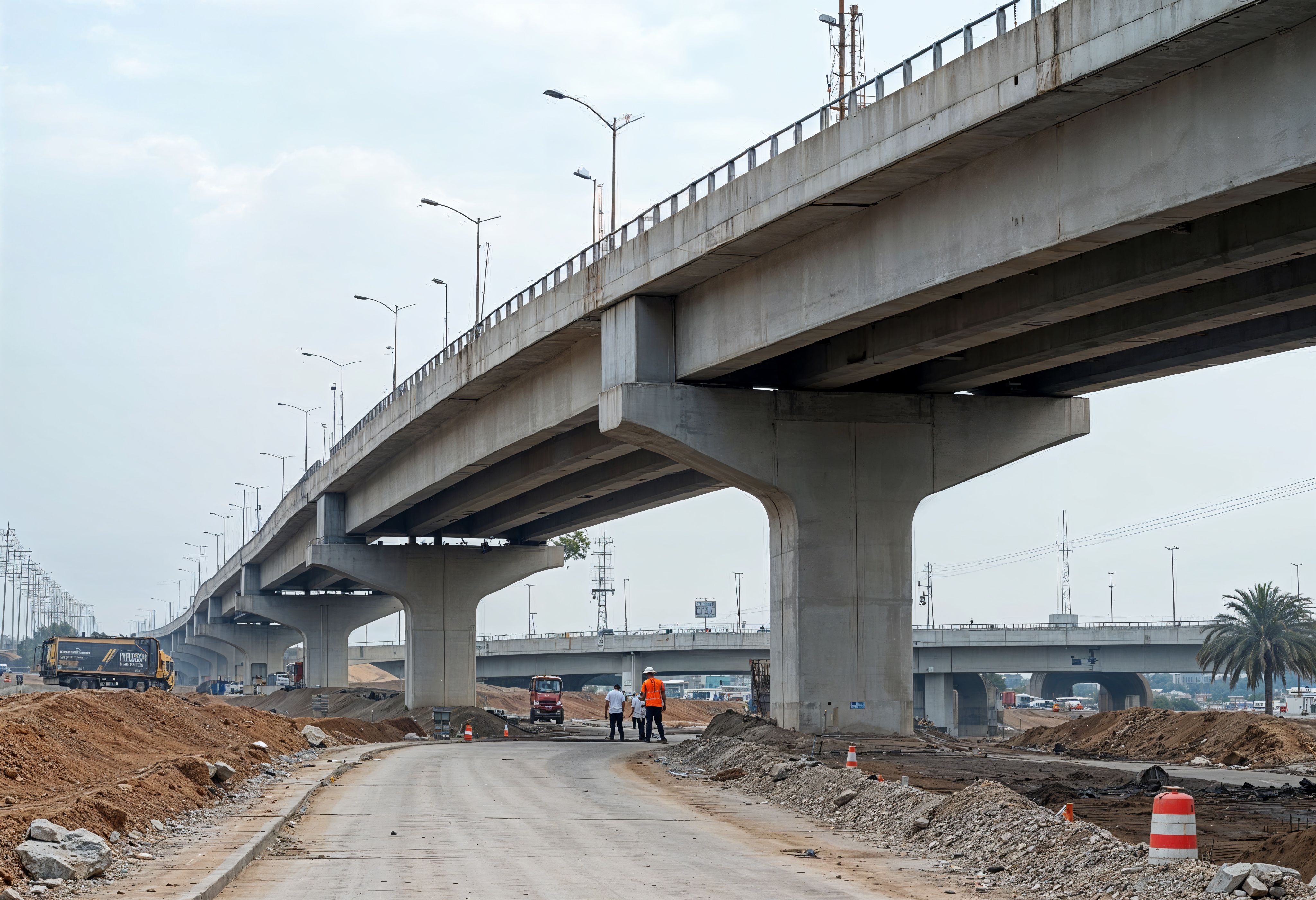
BMI Associates LLC has completed construction of a world-class water treatment facility in partnership with regional authorities. This 25 million-liter-per-day treatment plant represents a transformational leap in water security for the region, serving 500,000 residents with clean, safe drinking water.
Advanced Treatment Technology
The facility employs state-of-the-art multi-stage treatment processes including coagulation, sedimentation, sand filtration, activated carbon adsorption, and ultraviolet (UV) disinfection. Advanced membrane filtration removes 99.99% of pathogens and contaminants, ensuring water quality exceeds WHO and regional standards. Real-time monitoring systems continuously analyze water quality parameters, with automated adjustments maintaining optimal treatment conditions 24/7. The facility can handle seasonal water quality variations and surge demands, with redundant systems ensuring uninterrupted service. Capacity is designed to accommodate 30-year population growth projections.
Operational Efficiency and Smart Management
This facility represents a landmark in operational excellence, powered by IoT sensors and AI-driven management systems. Smart distribution networks with pressure sensors and flow monitoring reduce water loss from 35% to under 5%, a significant improvement in water conservation. Automated dosing systems optimize chemical usage, reducing operational costs while maintaining strict water quality standards. The facility's predictive maintenance system analyzes equipment performance to prevent failures before they occur. Energy-efficient operations, including solar power generation for auxiliary systems, reduce operational costs by 40% compared to conventional facilities.
Environmental and Social Impact
The facility's environmental design minimizes ecological impact through constructed wetlands for final polishing, biodiversity corridors, and zero-liquid-discharge operations. Treated effluent meets strict standards for environmental discharge. Beyond water provision, the facility has created 150 permanent jobs and 300 construction jobs in the local community. BMI established vocational training programs for equipment operation and maintenance, building local capacity and creating sustainable employment. Community engagement programs include water conservation education and youth STEM initiatives focused on engineering and water management careers.
Public Health and Development Benefits
Access to clean water is transformational for public health. Preliminary data shows a 45% reduction in waterborne diseases in served areas within the first six months of operation. School attendance has improved by 12% due to reduced illness, with particular improvement in girls' attendance. The reliable water supply has attracted new businesses and industrial facilities, creating additional economic development opportunities. Healthcare facilities now have adequate water supplies for sanitation and medical operations, improving service quality. The project demonstrates how strategic infrastructure investment drives broader development outcomes across health, education, and economic sectors.