BMI Associates LLC is leading the charge in sustainable building practices across East Africa, demonstrating that environmental responsibility and economic viability are not mutually exclusive. Our latest residential and commercial projects are setting new standards for energy efficiency, water conservation, and waste reduction.
Green Certification Leadership
BMI has committed to achieving LEED Gold certification for all new projects, with several already achieving Platinum status. Our buildings feature advanced HVAC systems that reduce energy consumption by 50% compared to conventional designs, solar panel integration generating 60-80% of energy needs, and smart water management systems that cut consumption by 40%. These innovations are not just environmentally responsible—they deliver long-term operational cost savings for building owners. Our latest commercial complex in Nairobi achieved net-positive energy generation, producing more electricity than it consumes annually.
Material Innovation and Circular Economy
We are pioneering the use of locally-sourced, sustainable materials that reduce carbon footprints while supporting regional economies. Our projects incorporate recycled content in concrete mixes, sustainably harvested timber, and low-VOC (volatile organic compound) materials that improve indoor air quality. Construction waste recycling programs divert 95% of waste from landfills, with materials repurposed for future projects or donated to community initiatives. BMI is establishing a circular economy model where building materials are designed for deconstruction and reuse, extending their lifecycle and maximizing resource efficiency.
Water Management Excellence
Water scarcity is a critical issue in East Africa, and BMI is addressing it through innovative design. Our buildings incorporate rainwater harvesting systems that can supply 70-90% of non-potable water needs, greywater recycling for irrigation and toilets, and advanced treatment systems that allow wastewater reuse. Smart irrigation systems use soil moisture sensors and weather data to optimize water application. Our latest campus development in Kigali reduced water consumption by 55% compared to conventional buildings, setting a new benchmark for the region.
Community Health and Well-being
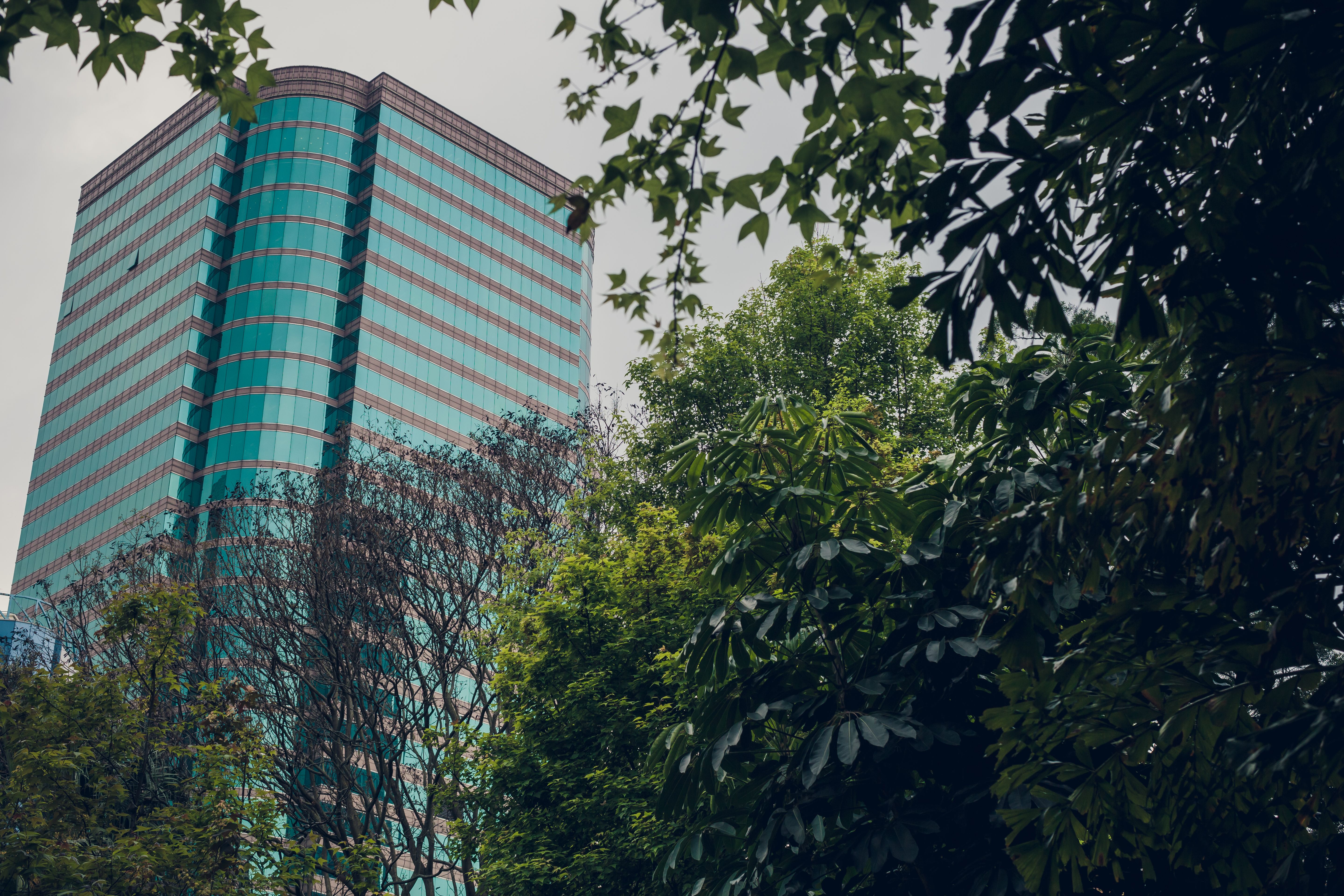
Sustainable building goes beyond environmental metrics—it's about creating healthier spaces for people. Our designs maximize natural light and ventilation, reducing reliance on artificial systems and improving occupant well-being. Green roofs and living walls provide insulation, reduce urban heat island effects, and create recreational spaces. We're incorporating biophilic design principles that connect occupants with nature, improving productivity and mental health. Studies show that employees in our sustainable buildings report 23% higher satisfaction and 19% fewer sick days compared to conventional offices.